


Dental Implants: What They Cost and How to Choose the Right Option

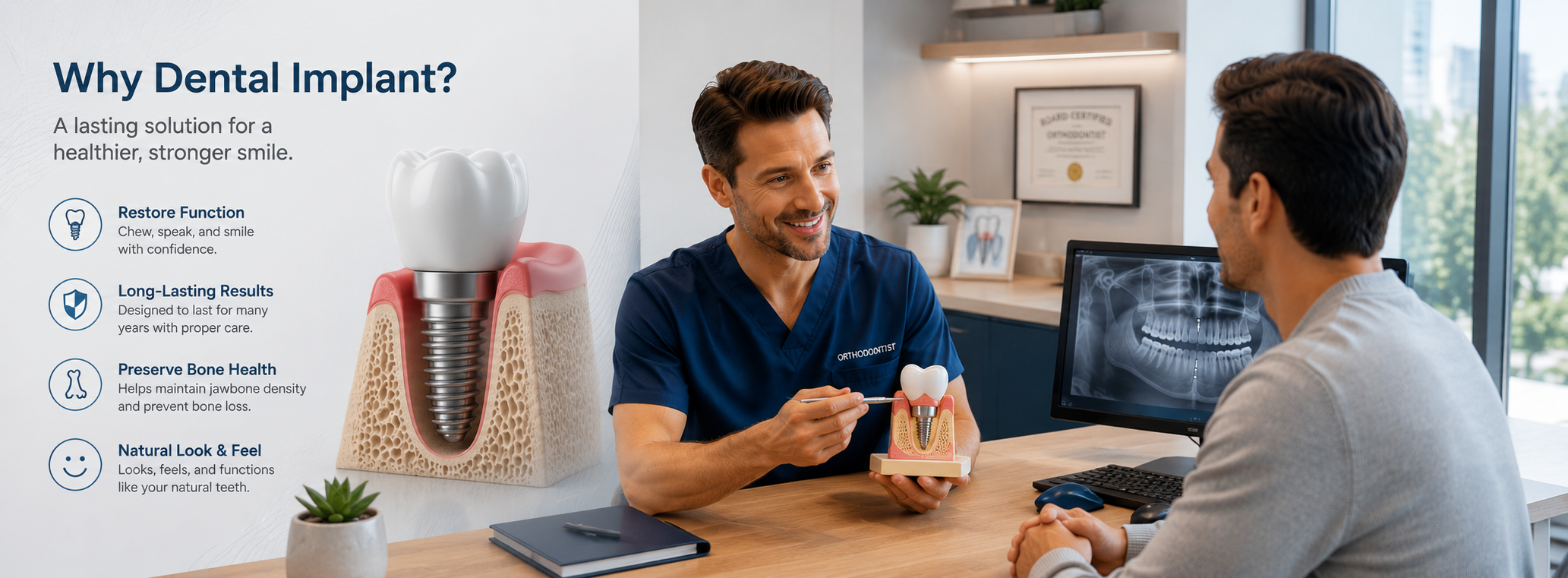
A single dental implant typically costs between $1,500 and $6,000, including the post, abutment, and crown — and full-mouth options like All-on-4 can range from $20,000 to $50,000 per arch. That's a wide range, and for good reason: implants aren't one-size-fits-all, and the right option depends on how many teeth you're replacing, your jawbone health, and which specialist you end up working with.
Why Dental Implant Pricing Varies So Much
Unlike a filling or a cleaning, an implant is really three procedures bundled into one: placing the titanium post, letting it fuse with your jawbone (osseointegration), and attaching the visible crown. Each stage adds cost, and so do these common factors:
- Bone grafting. If you've been missing a tooth for a while, your jawbone may have thinned, and you may need a graft before an implant can be placed — this alone can add $600–$3,000.
- Number of teeth being replaced. Replacing one tooth is straightforward pricing. Replacing several — or a full arch — often shifts you toward options like All-on-4, which uses fewer implants to support a full bridge and can actually be more cost-effective per tooth than replacing each one individually.
- Type of specialist. Oral surgeons, periodontists, and prosthodontists all place implants, and pricing can vary between them based on training and the complexity of cases they typically handle.
- Sedation. IV sedation adds cost but is common for surgical placement, especially for multiple implants.
Dental Implants vs. All-on-4: Which Makes Sense?
If you're missing a single tooth or a few scattered teeth, traditional single implants are usually the right call. If you're facing a full arch of missing or failing teeth, All-on-4 (or similar full-arch systems) is often the more practical and cost-efficient path, since it uses 4–6 strategically placed implants to anchor an entire arch rather than one implant per missing tooth. The tradeoff is that All-on-4 is a bigger upfront procedure, so it matters more that it's done by a specialist experienced specifically in full-arch cases.
How to Actually Find the Right Specialist
This is where most of the frustration in the implant process comes from — not the procedure itself, but figuring out who to see. If your general dentist refers you out to an oral surgeon or periodontist, that referral doesn't always come with much context on wait times, what records get sent over, or what to expect at the first visit. We've broken this down in our guide on what to do when your dentist refers you to a specialist, including the questions worth asking before you book.
It also helps to know that referral handoffs fail more often than most patients assume — a meaningful share of specialist referrals never actually result in a booked appointment, usually because of a communication gap between the referring dentist and the specialist's office rather than anything on the patient's end. Our analysis of why referrals fall through and how practices are fixing the leak covers what a well-run referral process should actually look like from the practice side, which is useful context if you want to gauge whether your own referral is being handled well.
The practices that handle this well tend to have the same thing in common: a clear internal process for tracking a referral from the moment it's made to the moment the patient is actually seen. If you're curious what that looks like operationally, we've written about why workflow optimization is the hidden growth lever for dental practices, and how PepCare's workflow optimization tools help practices close that gap.
Getting a Read Before You Commit
Because implant consultations often involve imaging, cost estimates, and sometimes a treatment plan spanning months, it's reasonable to want a general sense of your options before booking a full workup. Some practices now offer a virtual evaluation step for exactly this reason — a way to share your situation and get initial guidance on whether implants, All-on-4, or another option fits your case, before scheduling an in-person visit. You can read more about how this is being used for related treatment planning in our piece on virtual evaluations and staying on schedule with treatment, or explore PepCare's virtual care suite directly.
Dental Implants FAQ
How long do dental implants last?With proper care, implants can last 20+ years or a lifetime — the titanium post itself rarely needs replacement, though the crown on top may need replacing after 10–15 years of wear.
Is the procedure painful?Most patients report less discomfort than expected, comparable to a tooth extraction, and it's manageable with local anesthesia or sedation plus standard pain medication afterward.
Can I get implants if I have bone loss?Often yes, with a bone graft first. This adds time (typically 3–6 months of healing) and cost, but it's a routine part of implant planning, not a disqualifier.
What's the difference between an oral surgeon and a periodontist for implants?Both are qualified to place implants. Oral surgeons often handle more complex surgical cases (including bone grafting and full-arch work), while periodontists specialize specifically in the gum and bone tissue that supports implants. Many practices work with both depending on the case.
Does insurance cover dental implants?Traditional dental insurance often covers only part of the cost, if any — implants are sometimes classified as a cosmetic or elective procedure. It's worth asking your provider's office to check your specific plan rather than assuming based on general dental coverage.
If you or your dentist are exploring implant or specialist referral options, PepCare's virtual care suite can help connect the right specialist and get initial guidance started before your first in-person visit.
Making complex care journeys easier to understand and navigate.


